
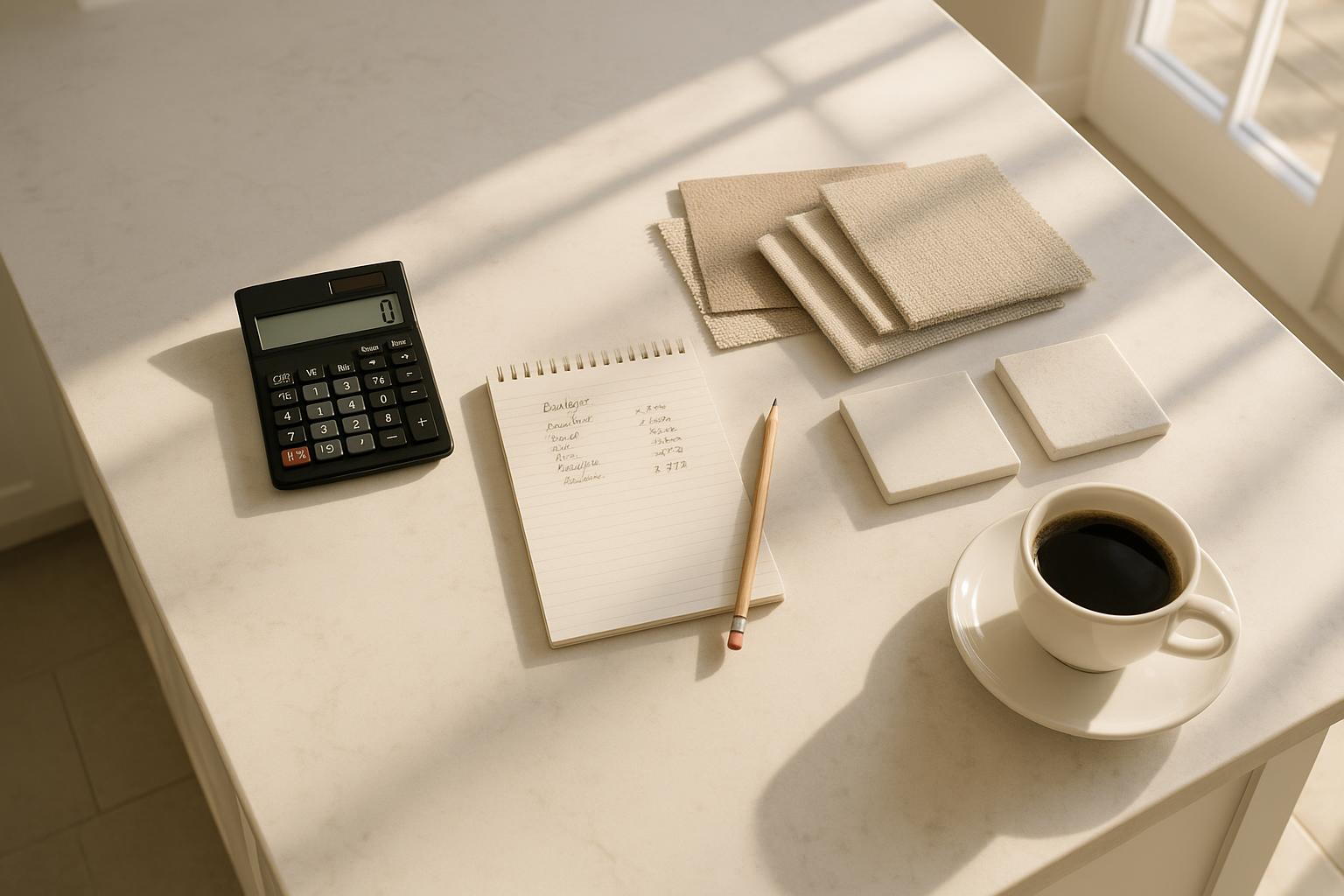
Why Budgeting Is the Most Important Step in Any Remodel
You've scrolled through hundreds of Pinterest boards, toured showrooms, and finally decided it's time to transform your kitchen or bathroom. But before a single tile gets pulled up, there's one step that determines whether your remodel ends in celebration or frustration: setting a realistic budget.
Too many homeowners in West Palm Beach dive into renovations with a rough number in mind, only to discover midway through that costs have ballooned beyond what they expected. The good news is that with a little planning upfront, you can avoid that scenario entirely. Here's how to build a remodeling budget that actually works.
Start With Your Goals, Not a Dollar Amount
It might sound counterintuitive, but the best way to set a budget is to first get clear on what you want to accomplish. Are you doing a cosmetic refresh—new countertops, paint, and fixtures—or a full gut renovation that changes the layout? These are dramatically different projects with dramatically different price tags.
Write down your must-haves and your nice-to-haves. Maybe a double vanity in the bathroom is non-negotiable, but heated floors would be a bonus if the budget allows. This list becomes your roadmap and helps your contractor give you an accurate estimate instead of a vague range.
Understand What Drives Remodeling Costs
A remodeling budget isn't just about materials. Here are the major cost categories most homeowners need to account for:
- Labor: Skilled tradespeople—plumbers, electricians, tile installers, carpenters—make up a significant portion of any remodel. In South Florida, labor costs can be higher than the national average due to demand and the cost of living.
- Materials: Everything from cabinetry and countertops to flooring, fixtures, and hardware. Material costs vary wildly depending on quality. A stock cabinet and a custom-built cabinet can differ by thousands of dollars.
- Permits and inspections: Most remodeling work in West Palm Beach requires permits from the city or county. Permit fees vary based on the scope of work, but skipping them is never worth the risk.
- Design and planning: If your project involves layout changes, you may need architectural drawings or design consultations. This is an investment that pays for itself by preventing costly mistakes during construction.
- Demolition and disposal: Tearing out old materials and hauling them away isn't free. Demo costs depend on the size of the space and what's being removed.
- Unexpected issues: More on this below, but hidden problems like water damage, outdated wiring, or mold behind walls can add to your total.
The Contingency Fund: Your Financial Safety Net
Every experienced contractor will tell you the same thing: set aside a contingency fund. We recommend reserving 10 to 20 percent of your total budget for unexpected costs.
This is especially important in older West Palm Beach homes, where opening up walls can reveal surprises like outdated plumbing, termite damage, or electrical systems that don't meet current code. A contingency fund means these discoveries become manageable hiccups instead of project-stopping emergencies.
If you don't end up using the contingency? That's money you can put toward one of those nice-to-have upgrades on your list—or simply keep in your pocket.
Research Local Costs Before You Commit
Remodeling costs aren't the same everywhere. A kitchen remodel in the Midwest will cost differently than one in South Florida. Factors like local material availability, permit requirements, humidity-related building considerations, and regional labor rates all play a role.
When researching costs for a remodel in West Palm Beach or surrounding areas like Palm Beach Gardens, Wellington, or Lake Worth Beach, be cautious about relying solely on national averages you find online. Instead, get multiple estimates from local contractors who understand the market and can give you numbers grounded in reality.
Get Detailed Estimates, Not Ballpark Guesses
A trustworthy contractor should provide a detailed, itemized estimate—not just a single lump sum. This breakdown should include labor, materials, permits, and a clear scope of work. When you can see exactly where every dollar is going, you're in a much better position to make informed decisions.
Be wary of estimates that seem dramatically lower than others. An unusually cheap bid often means corners will be cut, inferior materials will be used, or the contractor is planning to hit you with change orders once the project is underway.
Questions to Ask When Reviewing Estimates
- What exactly is included in this price, and what isn't?
- How do you handle unexpected issues that arise during construction?
- Are permits and inspections included in this estimate?
- What is your payment schedule, and how is it structured?
- Do you provide a written warranty on your work?
Decide How You'll Finance the Project
Once you have a solid number, the next question is how you'll pay for it. Homeowners typically fund remodels through one or a combination of these options:
- Savings: The simplest approach with no interest or debt involved.
- Home equity loan or HELOC: Borrows against the equity in your home, often at favorable interest rates.
- Personal loan: An unsecured option that doesn't require home equity but may carry higher interest rates.
- Contractor financing: Some contractors offer payment plans or partner with financing companies to provide flexible options.
Whatever route you choose, make sure your monthly payments are comfortable. A beautiful new kitchen isn't worth the stress of financial strain.
Prioritize Where You Spend
If your wish list exceeds your budget—and it often does—it's time to prioritize. Focus your spending on the elements that have the biggest impact on your daily life and your home's long-term value.
For kitchens, investing in quality cabinetry and a functional layout tends to deliver the most satisfaction. For bathrooms, waterproofing, proper ventilation, and durable tile are areas where cutting costs can backfire. You can always upgrade hardware, lighting, or accessories down the road, but redoing a poorly installed shower is expensive and disruptive.
Work With a Contractor Who Respects Your Budget
The right contractor doesn't just build beautiful spaces—they help you make smart financial decisions throughout the process. At Trinity General Contractors, we walk West Palm Beach homeowners through every cost before work begins so there are no surprises at the end. We believe transparency isn't a bonus; it's the baseline.
Whether you're remodeling a kitchen in Royal Palm Beach or updating a bathroom in Riviera Beach, having a contractor who communicates openly about costs makes the entire experience smoother and more enjoyable.
Your Budget Is the Foundation of a Great Remodel
A well-planned budget doesn't limit your remodel—it empowers it. When you know exactly what you can spend and where that money is going, you make better decisions, avoid stress, and end up with a result that you love living with every single day.
Ready to start planning your remodel with a team that puts transparency first? Contact Trinity General Contractors for a detailed consultation and honest estimate tailored to your home and your goals.