
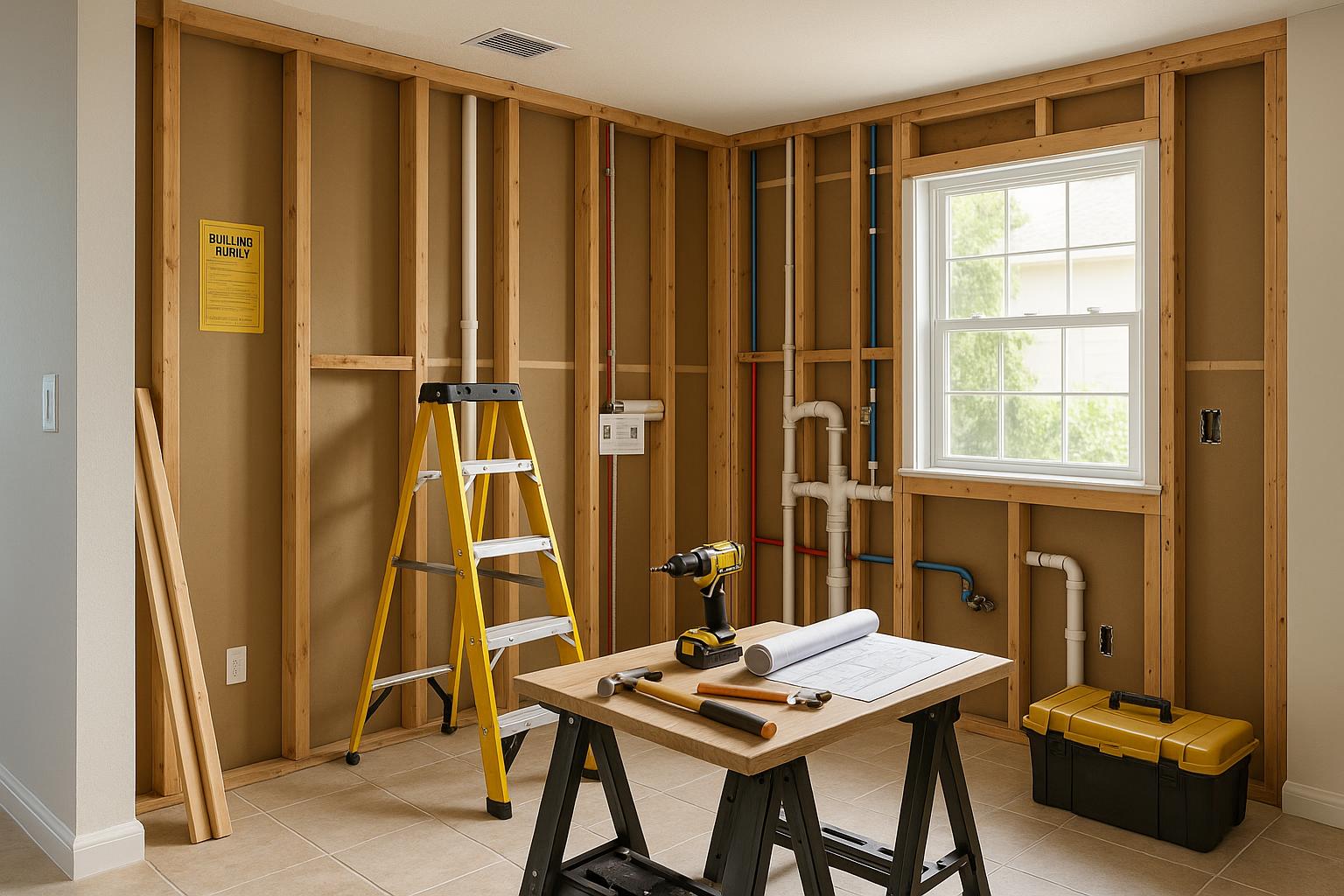
Do You Really Need a Permit for Your Remodel?
It's one of the most common questions we hear from homeowners in West Palm Beach: Do I actually need a permit for this project? The short answer is yes — for most remodeling work that goes beyond purely cosmetic changes, a building permit is required by the City of West Palm Beach and Palm Beach County.
We understand why homeowners are tempted to skip the permit process. It sounds like extra paperwork, extra time, and extra cost. But pulling the right permits protects your investment, keeps your family safe, and prevents serious headaches down the road — especially when it comes time to sell your home or file an insurance claim.
Here's everything you need to know about permits for remodeling projects in West Palm Beach and the surrounding area.
Which Remodeling Projects Require a Permit?
In Palm Beach County, any work that changes the structure, electrical, plumbing, or mechanical systems of your home typically requires a permit. For kitchen and bathroom remodels — the two most popular renovation projects — that covers a lot of ground.
Projects That Almost Always Need a Permit
- Moving or removing walls — Whether you're opening up a kitchen layout or reconfiguring a bathroom floor plan, structural changes require a building permit and often an engineering review.
- Electrical work — Adding outlets, relocating switches, upgrading a panel, or installing new lighting circuits all require an electrical permit.
- Plumbing changes — Moving a sink, relocating a toilet, adding a shower, or rerouting supply and drain lines requires a plumbing permit.
- New cabinetry with structural modifications — If installing custom cabinetry involves changes to walls, soffits, or built-in framing, a permit may be needed.
- Window or door replacements — Especially in South Florida, where hurricane impact ratings matter, replacing windows and doors requires a permit to ensure code compliance.
- HVAC modifications — Rerouting ductwork or changing your system as part of a renovation requires a mechanical permit.
Projects That Typically Don't Need a Permit
- Painting walls or ceilings
- Replacing hardware on existing cabinets
- Installing new faucets or fixtures without changing the plumbing layout
- Replacing flooring in the same footprint without subfloor modifications
- Swapping out a countertop on existing cabinets
The line between permitted and non-permitted work can be blurry, which is why working with a licensed general contractor in West Palm Beach is so important. A good contractor knows exactly what your project requires before the first tile is removed.
How the Permit Process Works in Palm Beach County
If you've never been through the permit process, it can seem intimidating. Here's a simplified breakdown of how it works for a typical remodeling project:
- Plans and documentation: Your contractor prepares the necessary drawings, specifications, and scope of work for the project. For larger remodels, a licensed architect or engineer may need to provide sealed plans.
- Application submission: The permit application is submitted to the local building department — either the City of West Palm Beach or Palm Beach County, depending on your location. Many applications can now be submitted online.
- Plan review: The building department reviews your plans to make sure the proposed work meets the Florida Building Code. This review can take anywhere from a few days to several weeks, depending on the project's complexity.
- Permit issuance: Once approved, the permit is issued and must be posted at the job site before work begins.
- Inspections: At various stages of the project — rough plumbing, rough electrical, framing, and final — a building inspector visits the site to verify the work meets code.
- Final approval: After the last inspection is passed, the permit is closed out. This is your official record that the work was done legally and to code.
At Trinity General Contractors, we handle the entire permit process for our clients. From preparing documentation to scheduling inspections, it's all part of the service — so you never have to stand in line at the building department or wonder whether your project is compliant.
What Happens If You Skip the Permit?
Some homeowners — or unlicensed handymen — try to avoid permits to save time or money. This is a risky gamble that rarely pays off. Here's what can go wrong:
- Fines and stop-work orders: If the county discovers unpermitted work in progress, they can issue a stop-work order and fine the homeowner. Getting back on track often costs more than the permit would have in the first place.
- Problems selling your home: When you sell your home, a title search or buyer's inspection can reveal unpermitted work. This can delay or derail a sale, reduce your asking price, or force you to tear out and redo the work with proper permits.
- Insurance issues: If unpermitted work causes damage — a plumbing leak that floods your kitchen, for example — your homeowner's insurance may deny the claim.
- Safety risks: Permits exist to protect people. Electrical work done without inspection can create fire hazards. Plumbing done incorrectly can cause water damage and mold. Structural changes without engineering review can compromise your home's integrity, which is especially dangerous during hurricane season in South Florida.
Why Your Contractor Should Handle Permits
A licensed general contractor doesn't just know how to pull permits — they know which permits your specific project needs, how to prepare compliant plans, and how to schedule inspections so your project stays on track without unnecessary delays.
If a contractor ever tells you that your project doesn't need a permit when it clearly involves electrical, plumbing, or structural work, that's a major red flag. It usually means they're either unlicensed, inexperienced, or cutting corners — none of which you want in your home.
When you work with Trinity General Contractors on a kitchen or bathroom remodel in West Palm Beach, permits and inspections are built into our project timeline from day one. We coordinate directly with the building department so you can focus on the exciting parts — choosing finishes, picking tile, and watching your new space come to life.
A Few Tips for West Palm Beach Homeowners
- Always verify your contractor's license. You can look up any Florida contractor's license status through the Department of Business and Professional Regulation (DBPR) website.
- Ask about permits upfront. During your initial consultation, ask which permits will be needed and whether the cost is included in the estimate.
- Keep your permit records. Store copies of your approved permits and inspection reports with your important home documents. You'll be glad you have them if you ever sell, refinance, or file a claim.
- Don't confuse a homeowner's exemption with a free pass. Florida allows homeowners to pull their own permits for certain work on their primary residence, but the work still has to meet code and pass inspection. For most remodeling projects, hiring a licensed contractor is the smarter and safer route.
The Bottom Line
Permits aren't just bureaucratic red tape — they're your guarantee that the work in your home was done safely, legally, and up to code. For homeowners in West Palm Beach, Palm Beach Gardens, Wellington, and the surrounding communities, understanding the permit process is an essential part of planning any remodel.
If you're considering a kitchen renovation, bathroom remodel, or any home improvement project, Trinity General Contractors is here to guide you through every step — permits included. Reach out to us for a free consultation, and let's talk about bringing your vision to life the right way.